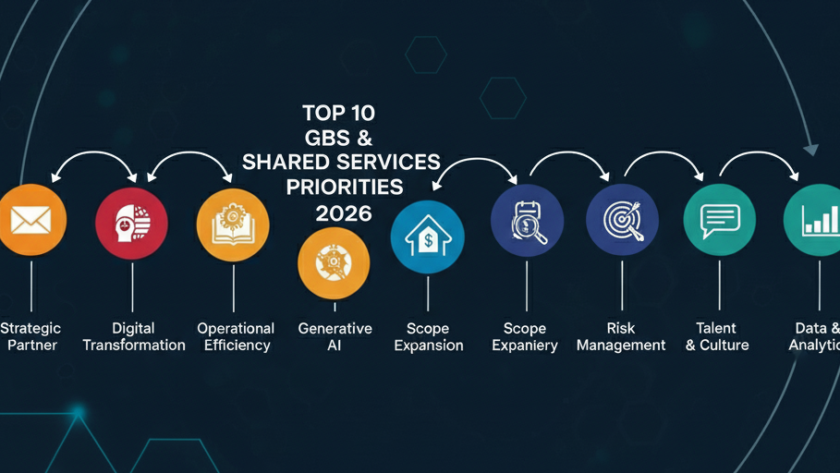
For seven years, Wells Fargo lived with handcuffs. The 2018 Federal Reserve imposed asset cap froze the bank’s assets at ~$1.95 trillion, punishing it for governance and risk failures. While peers like Bank of America and PNC expanded balance sheets by 40%, Wells was flatlining. The cap slowed hiring, clouded strategy, and forced Wells to…

Why Data Extraction Is the First Domino in Enterprise AI Automation Enterprises today face a data paradox: while information is abundant, actionable, structured data is scarce. This challenge is a major bottleneck for AI agents and large language models (LLMs). Automated data extraction solves this by acting as the input layer for every AI-driven workflow.…
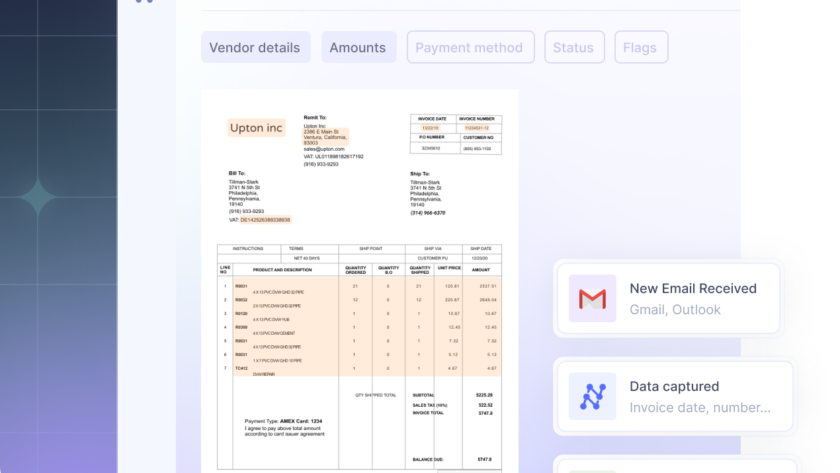
Introduction: Document Processing is the New Data Infrastructure Document processing has quietly become the new data infrastructure of modern enterprises—no longer a clerical back-office chore, but a strategic layer that determines speed, accuracy, and compliance at scale. Consider this: At 9:00 AM, a supplier emails a scanned invoice to the accounts payable inbox. By 9:02,…
Introduction: Why Enterprises Need an ADP Layer Now Enterprise document volumes are exploding, yet back-office workflows are still clogged with manual routing, data re-entry, and error-prone approvals. Finance teams waste hours reconciling mismatched invoices. Operations pipelines stall when exceptions pile up. IT leaders struggle to maintain brittle integrations every time a vendor shifts a…
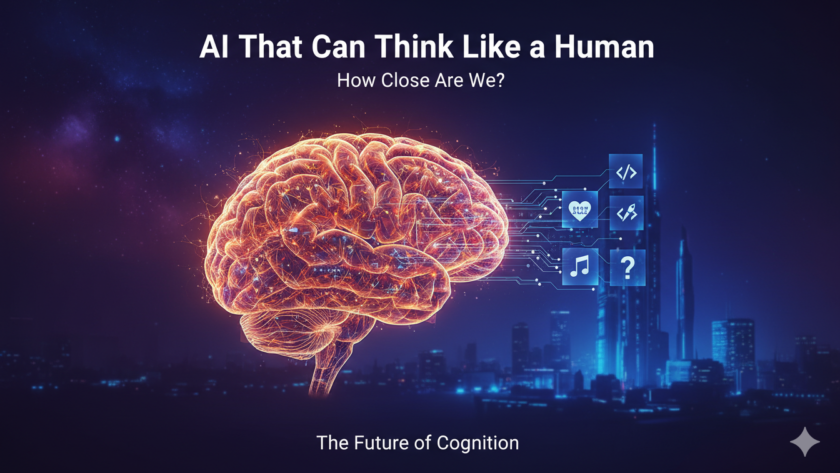
Artificial Intelligence has come a long way in recent years. From chatbots that answer questions to AI systems that compose music or create art, machines are beginning to mimic some aspects of human intelligence. But one question fascinates scientists, technologists, and the general public alike: Can AI really think like a human?
“AI can mimic…
Evaluating OCR systems that convert PDFs or document images into Markdown is far more complex than it appears. Unlike plain text OCR, OCR-to-Markdown requires models to recover content, layout, reading order, and representation choices simultaneously. Today’s benchmarks attempt to score this with a mix of string matching, heuristic alignment, and format-specific rules—but in practice, these…
Image by Author
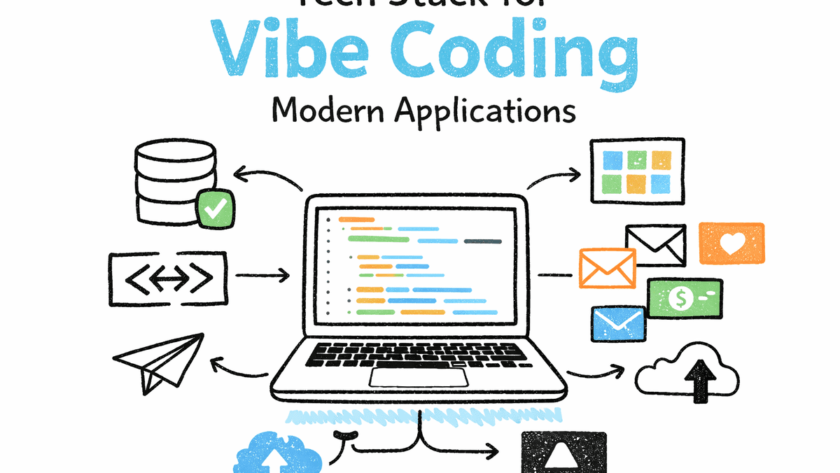
I used to hate vibe coding. I believed I could write better code, design cleaner systems, and make more thoughtful architectural decisions on my own. For a long time, that was probably true. Over time, things changed. AI agents improved significantly. MCP servers, Claude skills, agent workflows, planning-first execution, and…