…
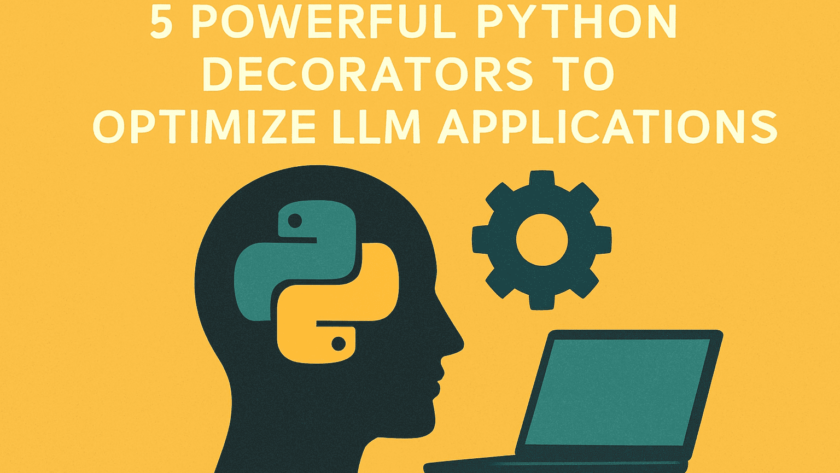
Image by Editor
# Introduction
Python decorators are tailor-made solutions that are designed to help simplify complex software logic in a variety of applications, including LLM-based ones. Dealing with LLMs often involves coping with unpredictable, slow—and frequently expensive—third-party APIs, and decorators have a lot to offer for making this task cleaner by wrapping,…
In this tutorial, we explore how we use Daft as a high-performance, Python-native data engine to build an end-to-end analytical pipeline. We start by loading a real-world MNIST dataset, then progressively transform it using UDFs, feature engineering, aggregations, joins, and lazy execution. Also, we demonstrate how to seamlessly combine structured data processing, numerical computation, and…
Today, we're introducing Gemini 3.1 Flash-Lite, our fastest and most cost-efficient Gemini 3 series model. Built for high-volume developer workloads at scale, 3.1 Flash-Lite delivers high quality for its price and model tier. Starting today, 3.1 Flash-Lite is rolling out in preview to developers via the Gemini API in Google AI Studio and for enterprises…
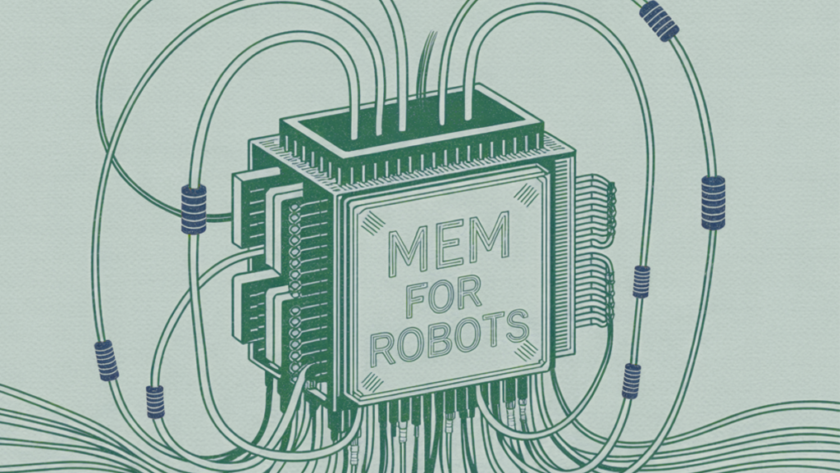
Current end-to-end robotic policies, specifically Vision-Language-Action (VLA) models, typically operate on a single observation or a very short history. This ‘lack of memory’ makes long-horizon tasks, such as cleaning a kitchen or following a complex recipe, computationally intractable or prone to failure. To address this, researchers from Physical Intelligence, Stanford, UC Berkeley, and MIT have…
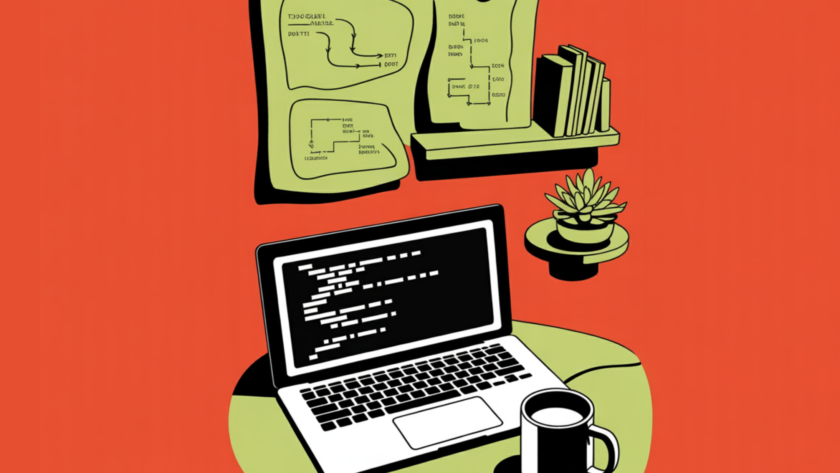
Image by Author
# Introduction
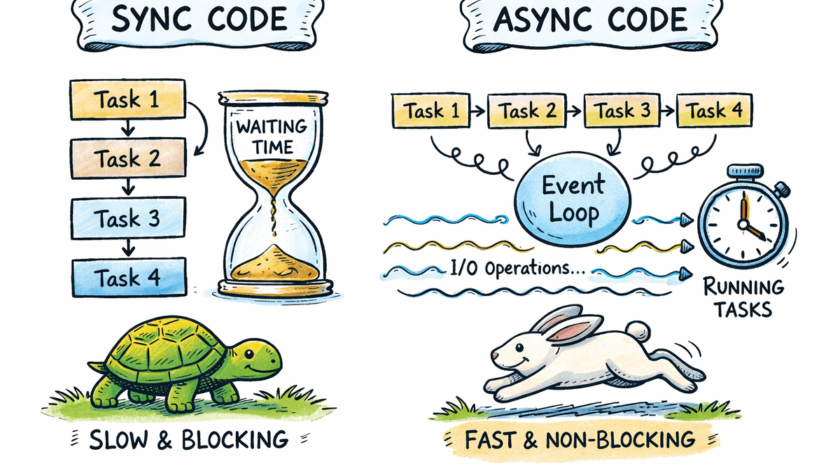
Most Python applications spend significant time waiting on APIs, databases, file systems, and network services. Async programming allows a program to pause while waiting for I/O operations and continue executing other tasks instead of blocking.
In this tutorial, you will learn the fundamentals of async programming in…
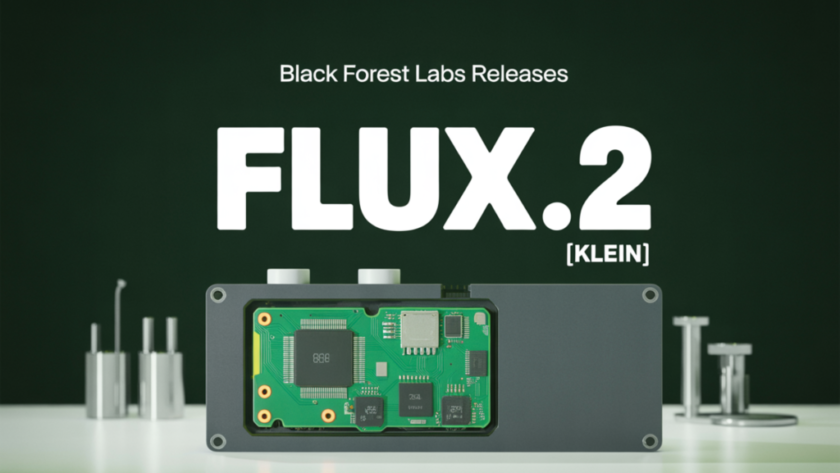
Black Forest Labs releases FLUX.2 [klein], a compact image model family that targets interactive visual intelligence on consumer hardware. FLUX.2 [klein] extends the FLUX.2 line with sub second generation and editing, a unified architecture for text to image and image to image, and deployment options that range from local GPUs to cloud APIs, while keeping…