Image by Editor
# Introduction
If you follow artificial intelligence communities on LinkedIn, Reddit, or X, you have likely seen developers discussing OpenClaw. The excitement is significant. Unlike typical chatbots, this tool can actually perform tasks on your computer. Users are utilizing it to automate workflows, manage files, send emails, and even control…
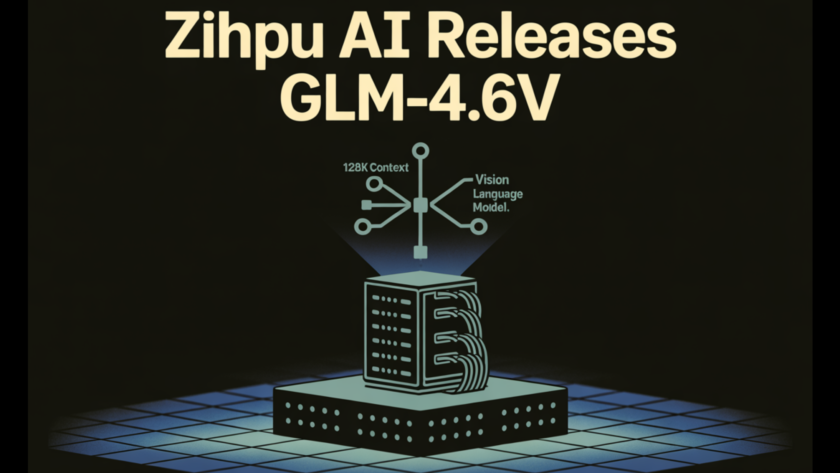
Zhipu AI has open sourced the GLM-4.6V series as a pair of vision language models that treat images, video and tools as first class inputs for agents, not as afterthoughts bolted on top of text.
Model lineup and context length
The series has 2 models. GLM-4.6V is a 106B parameter foundation model for cloud and…
Introducing our National Partnerships for AI and collaboration in India We believe AI will be the most transformative technology in human history and that it should be deployed in ways that benefit all of humanity. This requires deep, strategic collaboration between frontier AI labs, governments, academia, and civil society. To fully realise AI’s potential, Google…
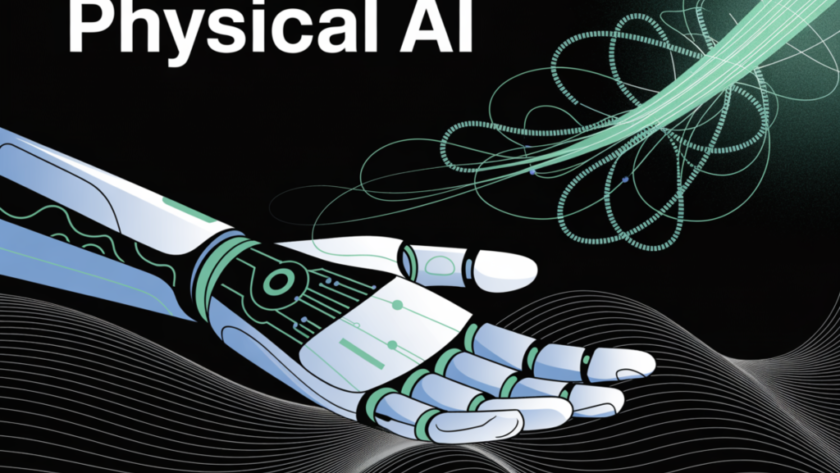
What Do We Mean by “Physical AI”?
Artificial intelligence in robotics is not just a matter of clever algorithms. Robots operate in the physical world, and their intelligence emerges from the co-design of body and brain. Physical AI describes this integration, where materials, actuation, sensing, and computation shape how learning policies function. The term was…
Image by Author
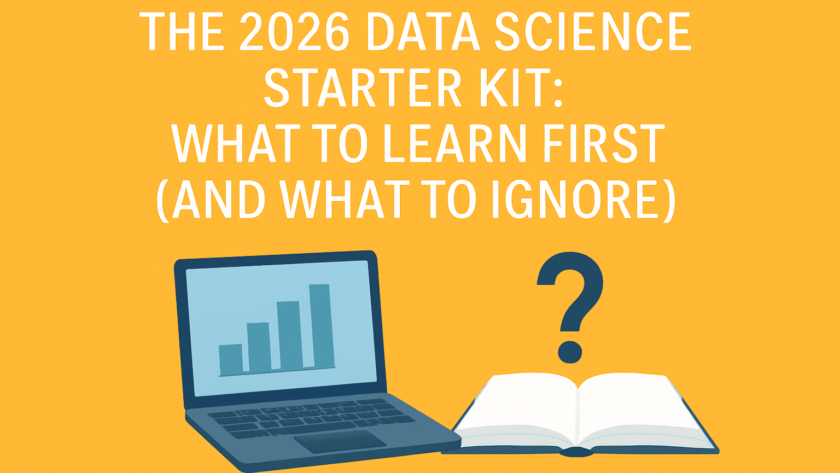
# Introduction
If you are reading this article, you likely know a bit of Python, and you are curious about data science. You might have written a few loops, maybe even used a library like Pandas. But now you face a common problem. The field of data science is vast,…
Thinking Machines Lab has moved its Tinker training API into general availability and added 3 major capabilities, support for the Kimi K2 Thinking reasoning model, OpenAI compatible sampling, and image input through Qwen3-VL vision language models. For AI engineers, this turns Tinker into a practical way to fine tune frontier models without building distributed training…
Catalyzing breakthroughs in science By proving it could navigate the massive search space of a Go board, AlphaGo demonstrated the potential for AI to help us better understand the vast complexities of the physical world. We started by attempting to solve the protein folding problem, a 50-year grand challenge of predicting the 3D structure of…
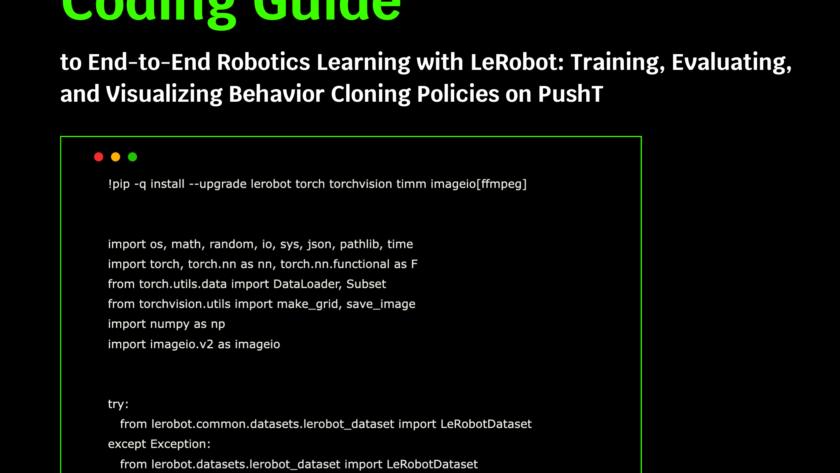
In this tutorial, we walk step by step through using Hugging Face’s LeRobot library to train and evaluate a behavior-cloning policy on the PushT dataset. We begin by setting up the environment in Google Colab, installing the required dependencies, and loading the dataset through LeRobot’s unified API. We then design a compact visuomotor policy that…