DeepMind published a series of papers about large language models (LLMs) last year, including an analysis of Gopher, our large language model. Language modelling technology, which is also currently being developed by several other labs and companies, promises to strengthen many applications, from search engines to a new wave of chatbot-like conversational assistants and beyond.…

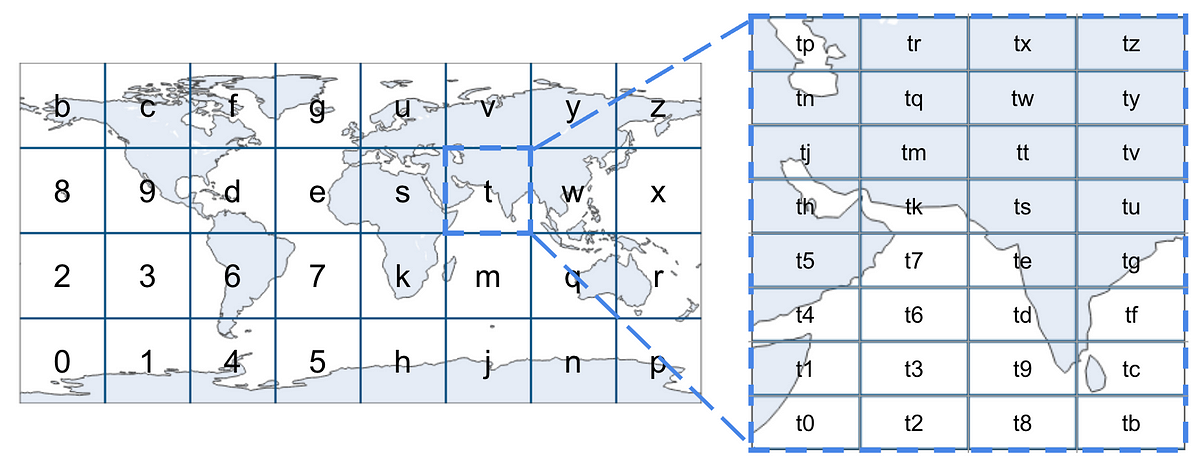
Geospatial indexing, or Geocoding, is the process of indexing latitude-longitude pairs to small subdivisions of geographical space, and it is a technique that we data scientists often find ourselves using when faced with geospatial data. Though the first popular geospatial indexing technique “Geohash” was invented as recently as 2008, indexing latitude-longitude pairs to manageable subdidivisions…
Image created by Author with DALL•E 3
Prompt engineering, like language models themselves, has come a long way in the past 12 months. It was only a little over a year ago that ChatGPT burst onto the scene and threw everyone's fears and hopes for AI into a supercharged pressure cooker, accelerating both…
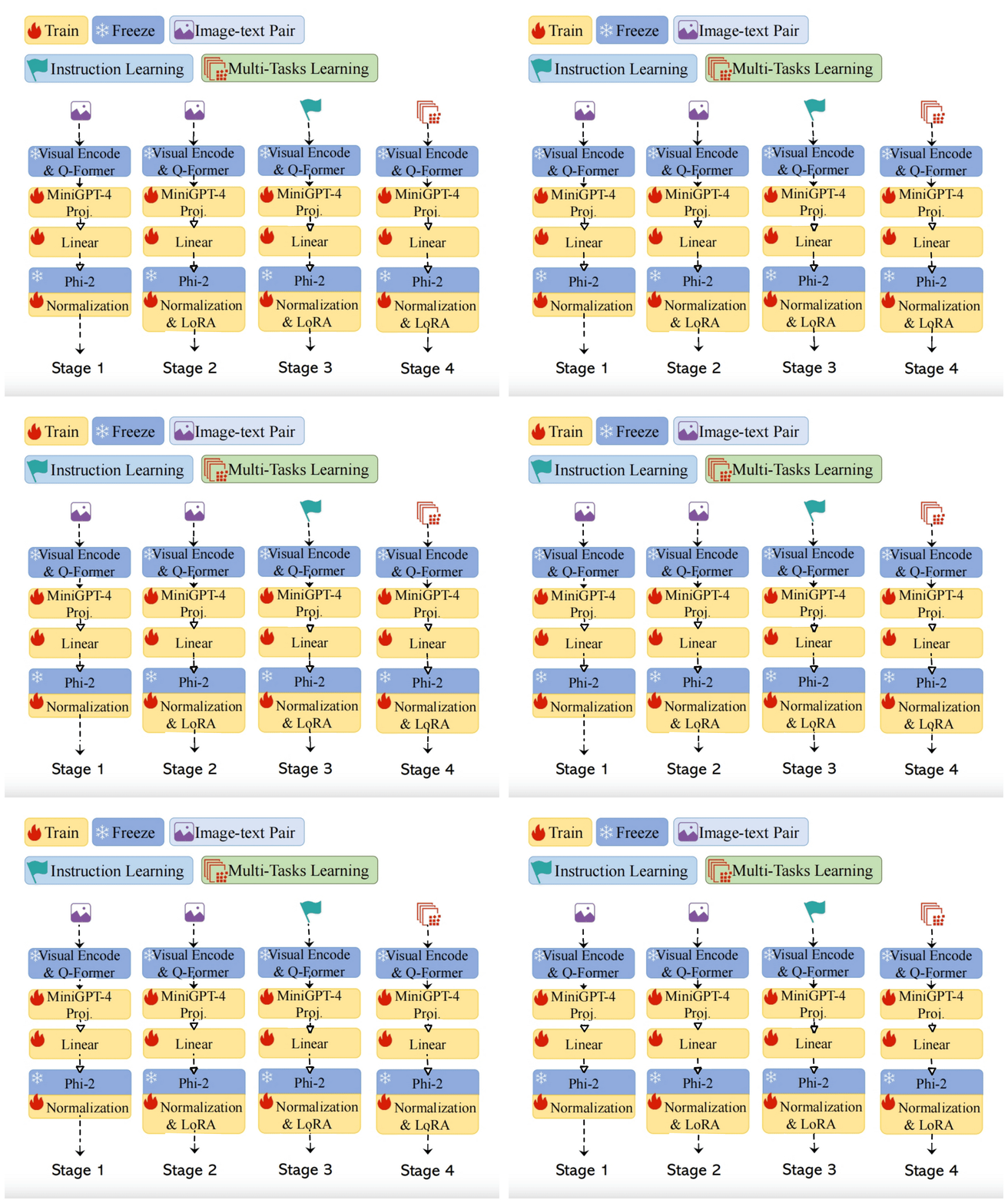
The development of multimodal large language models (MLLMs) represents a significant leap forward. These advanced systems, which integrate language and visual processing, have broad applications, from image captioning to visible question answering. However, a major challenge has been the high computational resources these models typically require. Existing models, while powerful, necessitate substantial resources for training…
Research
Published
…
A Clinical Perspective on Medical Innovation Image generated by Dall-E 3Being an oncologic surgeon is my primary job and passion. It allows me to interact with people and immerse myself in the healthcare system, not the fancy corporate Healthcare, just everyday medicine. And, as a researcher in AI, I’m noticing a growing disconnect between…
The conventional NeRF and its variations demand considerable computational resources, often surpassing the typical availability in constrained settings. Additionally, client devices’ limited video memory capacity imposes significant constraints on processing and rendering extensive assets concurrently in real-time. The considerable demand for resources poses a crucial challenge in rendering expansive scenes in real-time, requiring rapid loading…
In the last few years, a focus in language modelling has been on improving performance through increasing the number of parameters in transformer-based models. This approach has led to impressive results and state-of-the-art performance across many natural language processing tasks. We also pursued this line of research at DeepMind and recently showcased Gopher, a 280-billion…
Boost the performance of your supervised fine-tuned models 10 min read · 14 hours ago Image by authorPre-trained Large Language Models (LLMs) can only perform next-token prediction, making them unable to answer questions. This is why these base models are then fine-tuned on pairs of instructions and answers to act as helpful…
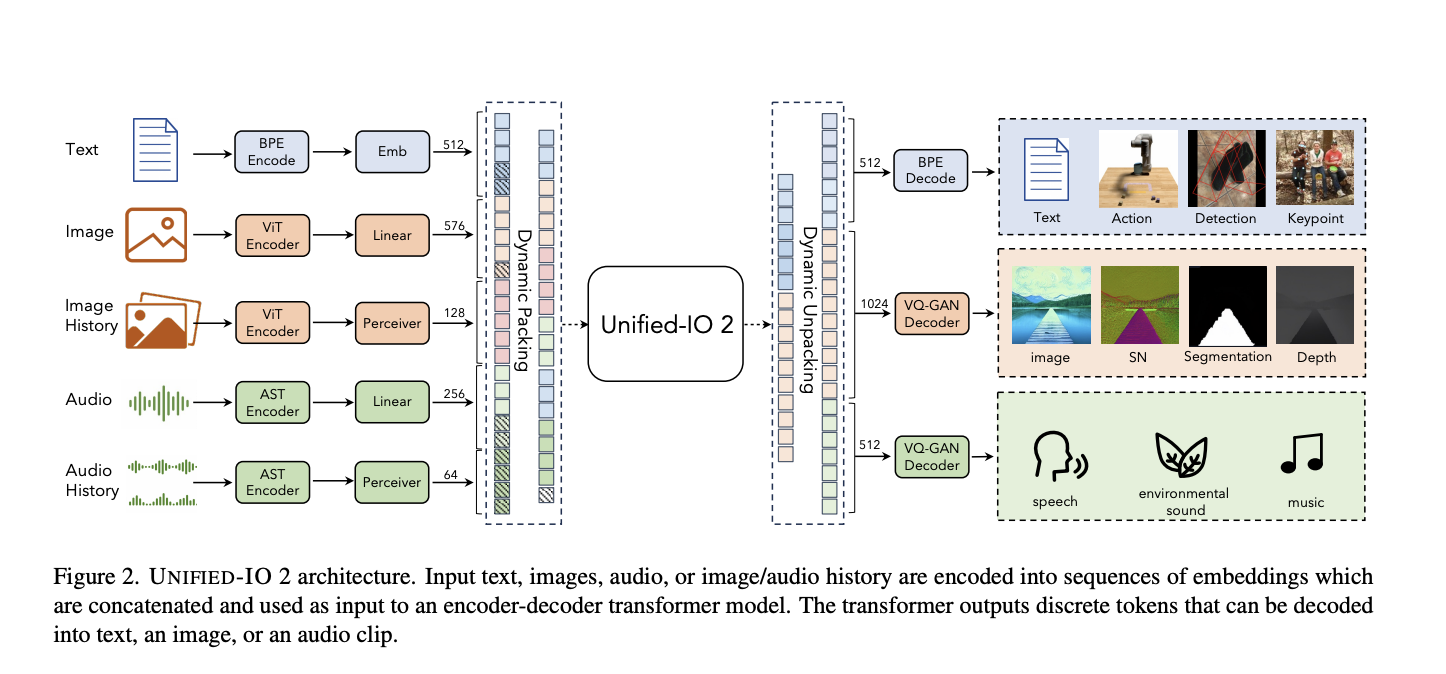
Integrating multimodal data such as text, images, audio, and video is a burgeoning field in AI, propelling advancements far beyond traditional single-mode models. Traditional AI has thrived in unimodal contexts, yet the complexity of real-world data often intertwines these modes, presenting a substantial challenge. This complexity demands a model capable of processing and seamlessly integrating…